
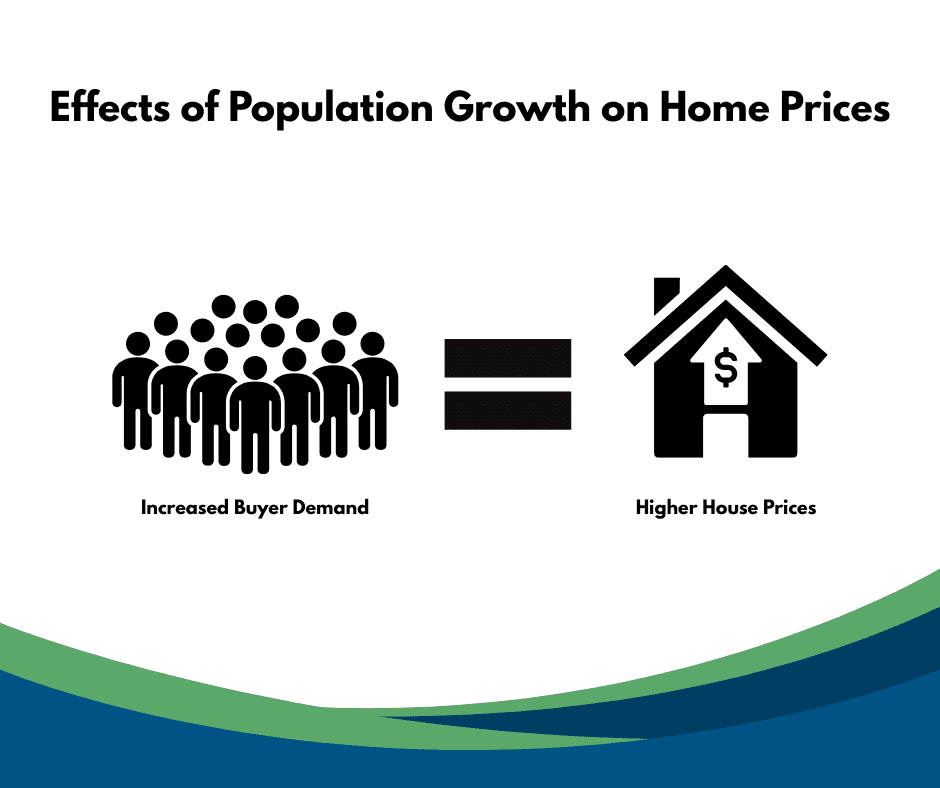
More people moving to your town means big changes for home prices. The effect of population growth on local housing markets is something every homeowner and buyer should understand. When lots of new families arrive, they all need places to live. This creates more demand for homes. And when more people want the same houses, prices usually go up.
Let’s look at how growing populations change your local housing market.
Effect of Population Growth Creates More Home Buyers
When new people move to your area, they become potential home buyers. More buyers means more competition for the same houses. Think of it like a popular toy that everyone wants. When lots of kids want the same toy, the price goes up.
New residents often bring good jobs and money to spend. They look for homes near their work. They want good schools for their kids. This makes certain neighborhoods more popular than others.
The effect of population growth is strongest in areas with new businesses. Tech companies, hospitals, and factories attract workers. These workers need homes. They’re willing to pay more to live close to their jobs.
Building New Homes Takes Time and Money
More people need more houses. But building new homes takes time. It also costs a lot of money. Builders need to buy land first. Then they need permits from the city. This process can take months or even years.
Land becomes more expensive when populations grow. There’s only so much land available. When builders pay more for land, they charge more for new houses. This makes all homes in the area worth more.
The effect of population growth also puts pressure on city services. Roads get crowded. Schools fill up. Water and power systems work harder. Cities sometimes slow down new building permits until they can handle more people.
Effect of Population Growth Changes Home Preferences
Growing populations bring people from different places. They have different needs and wants. Some prefer big houses with yards. Others want small condos near downtown. This variety changes what types of homes sell best.
Young workers often want apartments or small homes. Families with kids look for bigger houses with good schools nearby. Older people might want single-story homes or retirement communities.
The effect of population growth creates demand for different home features too. Home offices became popular when more people started working from home. Energy-efficient features matter more to environmentally conscious buyers.
Some Neighborhoods See Bigger Changes
Not all neighborhoods see the same changes when populations grow. Areas with good schools see more families moving in. Neighborhoods near job centers become more expensive. Places with good public transportation attract young professionals.
Some older neighborhoods get renovated and improved. This is called gentrification. Property values go up, but longtime residents might not be able to afford higher taxes.
The effect of population growth can also help struggling areas. New residents bring businesses and investment. Empty lots get turned into new homes. Old buildings get fixed up and look better.
Watching Trends Helps Predict Future Values
Smart buyers and sellers watch population trends. Growing areas usually see home values increase over time. Shrinking areas might see values stay flat or even drop.
You can find population data online. The U.S. Census tracks how many people live in each area. Local planning departments also have growth projections. These numbers help predict where home values might go.
The effect of population growth isn’t always immediate. Sometimes it takes years to see big changes in home prices. But areas with steady growth tend to be good long-term investments.
What the Effects of Population Growth Means for You
Population growth affects everyone in the housing market differently. If you’re buying a home, growing areas might cost more now but gain value later. If you’re selling, population growth in your area could mean higher offers.
Renters in growing areas often see rents increase. Landlords can charge more when lots of people need apartments. But growing areas also create more jobs and opportunities.
The key is understanding your local market. Talk to real estate agents who know your area well. They can explain how population changes affect your specific neighborhood.
Remember, population growth is just one factor that affects home prices. Interest rates, the economy, and local events all matter too. But understanding how more people in your area changes the housing market helps you make better decisions about buying, selling, or renting your home.
Read our other articles:
Finding Your Dream Home: Balancing Wishes with Reality
First-Time Homebuyer’s Guide: From Dream to Doorstep
Ready to Buy or Sell? We’re Here to Help!
Our experienced team helps buyers and sellers navigate every aspect of the real estate process.
Browse our listings: www.buyclarksvillehomes.com
Phone: (931) 320-6987
Email: joey@williamsonhg.org
Website: buyclarksvillehomes.com
Each Keller Williams office is independently owned and operated