

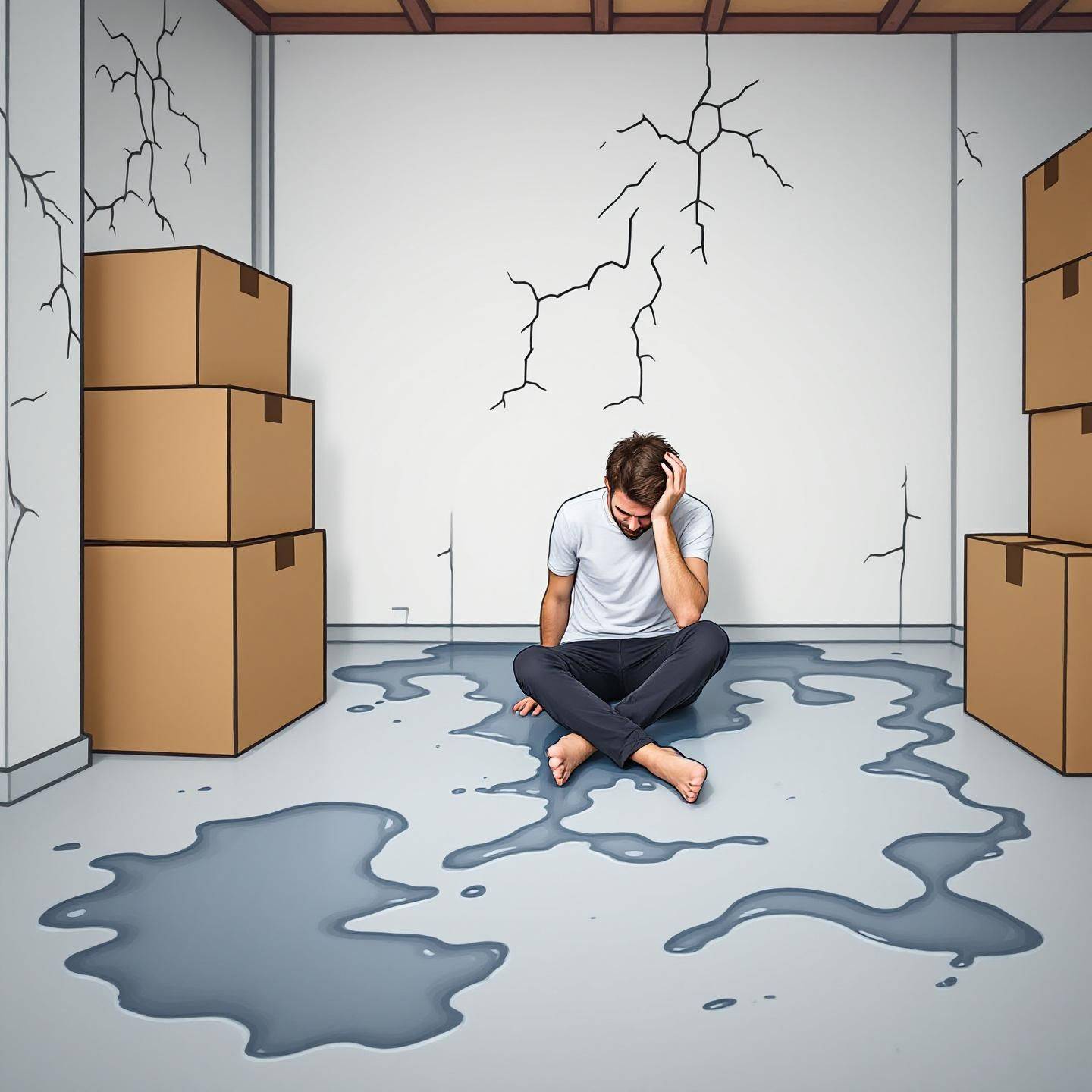
Water in your basement can cause big problems for your home. Basement waterproofing helps keep water out and protects your foundation from damage. Many homeowners don’t think about their basement until they see puddles or smell something musty. By then, the problem might be serious. Let’s learn how to keep your basement dry and your home safe.
Why Basement Waterproofing Matters
Your home’s foundation is like its feet. It holds everything up! When water gets into your basement, it can:
- Damage walls and floors
- Create mold that makes you sick
- Ruin things you store in your basement
- Weaken your home’s foundation
- Lower your home’s value
Water damage doesn’t happen all at once. It happens slowly over time. That’s why protecting your basement early is so important.
Signs You Need Basement Protection
How do you know if your basement needs help? Look for these warning signs:
Water Stains and Damp Spots
Yellow or brown marks on walls or floors mean water has been there. Touch your basement walls. Do they feel damp? That’s not normal! Dampness means water is coming through somewhere.
Musty Smells
Does your basement smell like wet socks or old books? That smell comes from mold and mildew growing in damp places. If you can smell it, you already have a moisture problem.
Cracks in Foundation Walls
Small cracks can let in big amounts of water. Check your basement walls for lines or cracks. Even tiny cracks should be fixed before they grow bigger.
Types of Basement Waterproofing Solutions
There are many ways to keep your basement dry. The best choice depends on your home and your problem.
Interior Waterproofing Methods
These fixes work from inside your home:
- Sealants and Waterproof Coatings: Special paint that blocks water from coming through walls
- Interior Drainage Systems: Channels in your floor that catch water and move it to a sump pump
- Sump Pumps: Machines that push water out of your basement when it gets in
Interior methods help manage water that’s already getting in. They’re often cheaper but may not fix the main problem.
Exterior Basement Waterproofing Approaches
These fixes work from outside your home:
- Exterior Waterproof Coatings: Thick layers put on foundation walls from the outside
- Exterior Drainage Systems: Pipes around your house that move water away
- Landscape Grading: Changing the ground around your house so water flows away
Exterior methods stop water before it gets in. They often cost more but solve the problem at its source.
DIY vs. Professional Help
Can you waterproof your basement yourself? Maybe, for small jobs.
What You Can Do Yourself
- Clean your gutters regularly
- Make sure downspouts point away from your house
- Apply waterproof paint to interior walls
- Fix small cracks with special crack fillers
- Keep a dehumidifier running in damp basements
These steps help with small problems or prevent bigger ones.
When to Call Basement Waterproofing Experts
Some basement waterproofing jobs are too big for DIY:
- Large cracks in foundation walls
- Standing water in your basement
- Water that keeps coming back after DIY fixes
- Installing drainage systems or sump pumps
Professionals have special tools and knowledge. They can find the real source of water problems and fix them right.
The Cost of Protecting Your Basement
Basement waterproofing costs depend on:
- How big your basement is
- How bad the water problem is
- What kind of fix you need
- Where you live
Small fixes like sealants might cost a few hundred dollars. Big jobs like exterior drainage systems might cost several thousand dollars.
Remember: Fixing water damage later costs much more than preventing it now!
Maintaining a Dry Basement
Once your basement is dry, keep it that way:
- Check your gutters and downspouts every season
- Look for new cracks after winter
- Test your sump pump twice a year
- Keep the humidity low with a dehumidifier
- Don’t store important things directly on the basement floor
Regular checks help you catch small problems before they become big ones.
Seasonal Basement Waterproofing Tips
Different seasons bring different water challenges to your basement:
Spring Basement Waterproofing Checklist
- Check for winter damage to foundation
- Clean gutters filled with spring blossoms
- Test sump pump before heavy spring rains
- Look for new cracks from winter freezing
Fall Preparation
- Clear gutters of leaves
- Check downspout extensions
- Seal any new cracks before winter
- Make sure your sump pump works before snow melts
Benefits Beyond Dryness
Basement waterproofing does more than keep things dry:
- Makes your basement usable for living space
- Keeps your heating and cooling bills lower
- Stops bugs that like damp places
- Protects your home’s value
- Gives you peace of mind during heavy rain
A dry basement means a healthier, safer home for your family.
Conclusion
Your home’s foundation keeps everything standing strong. Basement waterproofing protects that foundation from water damage. Don’t wait until you see puddles or smell mold to take action. Look for the warning signs, choose the right waterproofing method, and decide if you need professional help.
Remember that preventing water problems is always easier and cheaper than fixing water damage later. With the right protection, your basement can be a dry, useful part of your home for many years to come.
Have you checked your basement lately? A quick look now could save you from big problems later!
Read our other article for more tips that add value to your home: DIY Home Improvements That Add Value
Browse our listings now: www.buyclarksvillehomes.com
Contact us today:
(931) 320-6987
joey@williamsonhg.org
buyclarksvillehomes.com
Each Keller Williams office is independently owned and operated.