

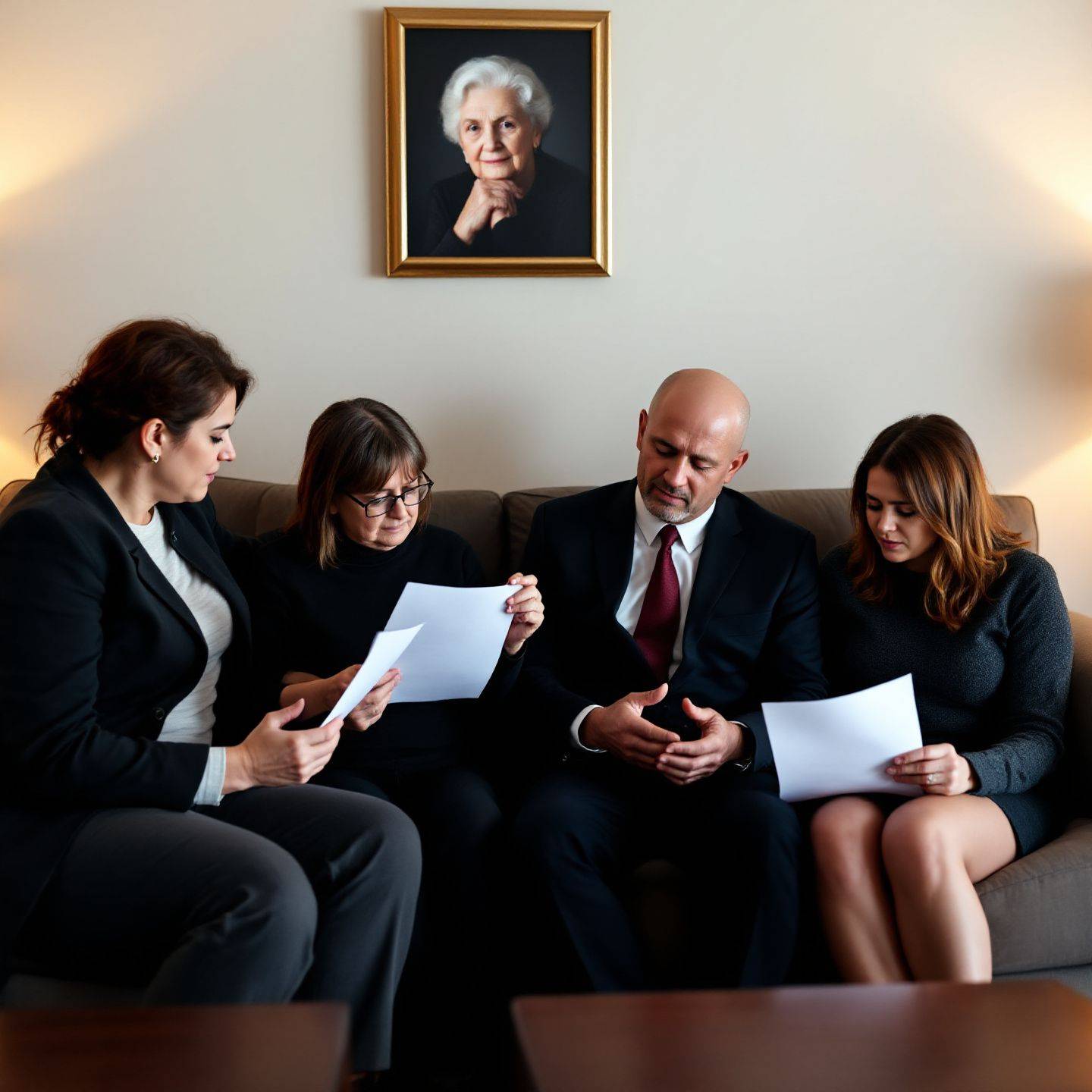
Selling a home after a loved one passes away is hard. It can feel overwhelming during a time when you’re already sad. Selling a home after a loved one passes involves many steps and feelings. This guide will help you understand what to do, when to do it, and how to take care of yourself along the way.
Understanding the Process of Selling a Home After a Loved One Passes
Before you can sell the house, you need to know who owns it now. This means going through a legal process called probate. Probate is when a court decides who gets the things that belonged to the person who died.
What is Probate?
Probate is like a roadmap that shows who gets what. The court looks at the will (if there is one) and decides who is in charge of the person’s things. This person is called the executor or personal representative.
Who Can Sell the House?
Only certain people can sell the house:
- The executor named in the will
- The administrator appointed by the court
- The trustee if the house is in a trust
- Heirs who now own the property
Make sure you have the legal right to sell before moving forward.
First Steps in Selling a Home After a Loved One Passes
Once you know you can legally sell the house, here are the first things to do:
Finding Important Papers When Selling a Home After a Loved One Passes
Look for these documents:
- The deed to the house
- Mortgage papers
- Property tax bills
- Homeowner’s insurance
- Utility bills
Keep these papers in a safe place. You will need them later.
Take Care of the House
Empty houses need care too:
- Keep paying the bills
- Mow the lawn
- Check on the house regularly
- Keep the heat on in winter
- Make sure it’s insured
An empty house can have problems if no one is watching it.
Preparing the Home for Sale
Getting the house ready to sell can be emotional. Take it one step at a time.
Sorting Through Belongings When Selling a Home After a Loved One Passes
This might be the hardest part of the process. Here’s how to make it easier:
- Work with family members
- Take breaks when needed
- Sort items into keep, donate, sell, and throw away
- Consider hiring help if it’s too difficult
Remember, it’s okay to keep special items that remind you of your loved one.
Cleaning and Repairs
Before showing the house to buyers:
- Clean everything thoroughly
- Fix obvious problems
- Consider a pre-sale inspection
- Make the house look welcoming
You don’t need to remodel the whole house. Just make it clean and in good shape.
Working with Real Estate Professionals
Getting help from experts makes this difficult process easier.
Finding the Right Agent for Selling a Home After a Loved One Passes
Look for an agent who:
- Has experience with estate sales
- Is patient and understanding
- Communicates clearly
- Knows the local market well
A good agent will guide you through the whole process.
Understanding Estate Sales
You might want to sell some things in the house before selling the house itself:
- Estate sale companies can help
- They organize and price items
- They handle the actual sale
- This can make clearing the house easier
Financial Considerations When Selling a Home After a Loved One Passes
Money matters can be confusing during this time.
Tax Implications
There are special tax rules:
- The “step-up in basis” usually means less taxes
- You might not owe capital gains tax
- Keep track of all expenses related to the house
- Talk to a tax professional for help
Dividing the Money
If multiple people inherit the house:
- Decide together about the sale
- Agree on the price
- Plan how to split the money
- Get everything in writing
Clear communication helps avoid family arguments.
Emotional Support During the Process
This experience isn’t just about paperwork and money. It’s emotional too.
Taking Care of Yourself While Selling a Home After a Loved One Passes
Remember to:
- Take breaks when needed
- Ask for help from friends and family
- Join a grief support group
- Talk about your feelings
- Remember there’s no “right way” to feel
Honoring Memories
Find ways to keep memories alive:
- Take photos of the house
- Keep a few special items
- Plant a tree or create a memorial
- Share stories about your loved one
- Create a memory book
The memories don’t disappear when the house is sold.
Legal Steps in the Home Selling Process
There are special legal steps in this situation.
Disclosure Requirements When Selling a Home After a Loved One Passes
You must tell buyers about:
- Problems with the house
- If someone died in the home (in some states)
- Any repairs needed
- Flooding or other issues
Be honest, even if you don’t know everything about the house.
Closing the Sale
The final steps include:
- Reviewing and signing papers
- Transferring the deed
- Paying off any mortgage
- Distributing money to heirs
- Keeping records of everything
Moving Forward After Selling a Home After a Loved One Passes
Once the house is sold, it’s time to move forward.
Finding Closure
Selling the house can help with the grief process:
- It marks an important step
- It reduces stress and worry
- It allows you to focus on healing
- It honors your loved one’s legacy
Looking to the Future
After this process, you can:
- Use the money wisely
- Create something meaningful
- Help others in your loved one’s name
- Focus on your own needs
- Begin a new chapter
Final Thoughts
Selling a home after a loved one passes is never easy. Take your time, get help when needed, and be gentle with yourself. Remember that houses hold memories, but those memories stay with you even after the house is sold.
The process might be difficult, but with patience and support, you can handle it. Your loved one would want you to take care of yourself during this time and find peace as you move forward.
Read our other articles for tips on selling your home:
Home Showing Preparation: Getting Your Home Ready for Buyers
Pricing Psychology: Why $299K Sells Better Than $300K
Browse our listings now: www.buyclarksvillehomes.com
Contact our home selling experts today:
(931) 320-6987
joey@williamsonhg.org
buyclarksvillehomes.com
Thank you for your service, and welcome to Clarksville, Tennessee!
Each Keller Williams office is independently owned and operated.