

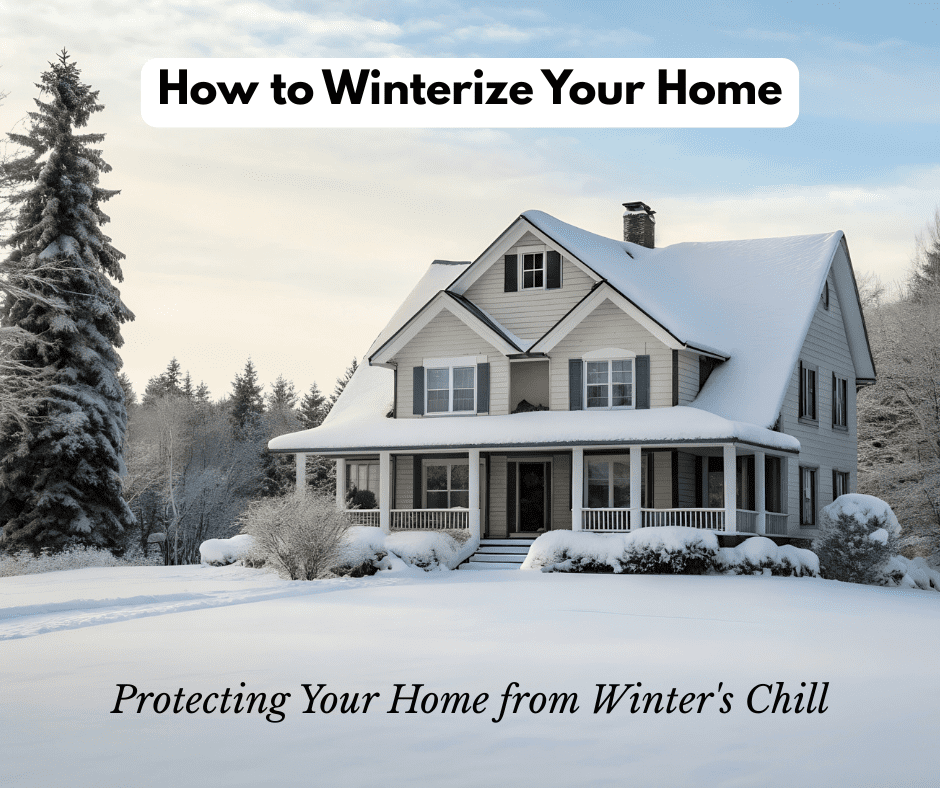
Winter is coming, and your house needs to get ready! How to winterize your home means preparing your house for cold weather. When you winterize, you save money on heating bills. You also keep your family warm and cozy. Plus, you protect your house from damage. This guide will show you simple steps to get your home ready for winter. Even kids can help with some of these tasks!
How to Winterize Your Home: Why You Need to Get Started
Cold weather can hurt your house. Pipes can freeze and break. Cold air can sneak inside. Your heating bill can get really high. When you winterize, you stop these problems before they start. You’ll stay warmer and spend less money. Your house will be safer too.
How to Winterize Your Home: Check Your Heating System
Clean or Replace Your Furnace Filter
Your furnace is like a big heater for your whole house. It has a filter that catches dust and dirt. A dirty filter makes your furnace work too hard. Change the filter every month in winter. You can buy filters at any hardware store. They’re cheap and easy to change.
Schedule a Furnace Checkup
Call a heating expert before winter starts. They’ll make sure your furnace works right. They’ll clean it and fix small problems. This checkup costs money, but it saves you more later. A broken furnace in winter is no fun!
Test Your Thermostat
Your thermostat controls the temperature. Make sure it works correctly. Set it to 68 degrees during the day. Turn it down at night when you’re sleeping. A programmable thermostat can do this automatically.
How to Winterize Your Home: Seal Up Cracks and Holes
Check Windows for Gaps
Look around all your windows. Feel for cold air coming in. You can use caulk to fill small cracks. Caulk is like toothpaste that gets hard. It blocks cold air from getting inside. You can also use weatherstripping. It’s sticky foam that goes around window edges.
Fix Door Drafts
Cold air loves to sneak under doors. Put a door sweep on the bottom of outside doors. A door sweep is a strip of rubber or brush. Check the weatherstripping around door frames too. Replace it if it’s cracked or falling off.
Look for Cracks in Walls
Walk around your house looking for cracks. Check where pipes come inside. Check where wires go through walls. Fill these gaps with caulk or spray foam. Even tiny cracks let in cold air.
How to Winterize Your Home: Protect Your Pipes
Insulate Exposed Pipes
Pipes can freeze when it gets really cold. Frozen pipes can burst and flood your house. Wrap pipes in unheated areas with foam sleeves. These sleeves are like jackets for your pipes. Put them on pipes in basements, attics, and garages.
Let Faucets Drip on Super Cold Nights
When the temperature drops below freezing, let your faucets drip a little. Moving water doesn’t freeze as easily. Just a tiny drip is enough. It uses a little water but saves your pipes.
Disconnect Outside Hoses
Take hoses off outside water faucets. Drain the water out of the hoses. Store them in your garage or shed. Turn off the water to outside faucets if you can. This keeps them from freezing.
How to Winterize Your Home: Add Insulation Where You Need It
Check Your Attic Insulation
Heat rises up to your attic. Without good insulation, heat escapes through your roof. You should have at least 10 to 14 inches of insulation. If you don’t, add more. Insulation looks like pink or yellow fluffy material.
Insulate Your Water Heater
Wrap your water heater in an insulation blanket. This keeps the water hot longer. Your water heater won’t have to work as hard. You’ll save money on your energy bill. These blankets cost about $20 at hardware stores.
Use Door Draft Stoppers
Put draft stoppers at the bottom of doors. You can buy them or make your own. Fill a long tube of fabric with rice or sand. It stops cold air from blowing under the door.
How to Winterize Your Home: Prepare Your Windows
Use Plastic Window Film
Plastic window film creates an extra layer over windows. It traps air and keeps cold out. You tape it around the window frame. Then you use a hair dryer to shrink it tight. It’s clear, so you can still see outside.
Hang Heavy Curtains
Thick curtains keep cold air away from your room. Open them during sunny days to let warmth in. Close them at night to keep heat inside. Curtains also make your room feel cozy.
Check Window Locks
Make sure all windows are locked tight. Locked windows close tighter. They let in less cold air. Check every window in your house.
How to Winterize Your Home: Take Care of Your Roof and Gutters
Clean Your Gutters
Leaves and dirt can clog your gutters. Clogged gutters can cause ice dams. Ice dams let water leak into your house. Clean gutters before winter starts. Scoop out all the leaves and trash.
Check for Missing Shingles
Look at your roof from the ground. Do you see missing or damaged shingles? Damaged shingles let water inside. Call a roofer to fix problems before winter.
Trim Tree Branches
Cut back tree branches hanging over your roof. Heavy snow or ice can make them break. Falling branches can damage your roof or hurt someone.
How to Winterize Your Home: Reverse Your Ceiling Fans
Most ceiling fans have a switch on the side. In winter, run fans clockwise on low speed. This pushes warm air down from the ceiling. Warm air rises, so this helps heat your whole room. It’s a simple trick that really works!
How to Winterize Your Home: Prepare for Power Outages
Stock Emergency Supplies
Winter storms can knock out power. Keep flashlights and batteries ready. Have bottled water and canned food. Get a first aid kit. Keep warm blankets in an easy-to-reach place.
How to Winterize Your Home: Know How to Use Your Fireplace Safely
If you have a fireplace, get it cleaned. Have the chimney inspected by a professional. Stock up on firewood. Never leave a fire burning when you go to sleep.
Get a Generator (Optional)
A generator can power important things during an outage. It can run your furnace, fridge, and some lights. Generators cost money but give peace of mind. Always use generators outside, never in your garage or house.
How to Winterize Your Home: Check Your Smoke and Carbon Monoxide Detectors
Test All Detectors
Push the test button on every smoke detector. Push the test button on carbon monoxide detectors too. You use more heating equipment in winter. This makes detectors extra important.
Replace Batteries
Put in fresh batteries even if the old ones still work. Winter is not the time for dead batteries. Mark your calendar to change them twice a year.
Replace Old Detectors
Smoke detectors last about 10 years. Carbon monoxide detectors last about 5 to 7 years. Check the date on the back. Replace detectors that are too old.
How to Winterize Your Home: Service Your Fireplace and Chimney
Get a Chimney Inspection
Hire a chimney sweep to clean your chimney. They remove creosote, which is like sticky tar. Creosote can catch fire. A clean chimney is a safe chimney.
Check Your Fireplace Damper
The damper is a door inside your chimney. Make sure it opens and closes easily. Keep it closed when you’re not using the fireplace. An open damper lets warm air escape.
Stock Up on Firewood
Buy firewood early before prices go up. Store it off the ground in a dry place. Dry wood burns better than wet wood. Keep a small pile near your door for easy access.
How to Winterize Your Home: Protect Your Outdoor Spaces
Drain and Store Garden Hoses
We mentioned this before, but it’s really important! Water left in hoses can freeze. Frozen water expands and breaks the hose. Roll up hoses and put them away.
Cover Your Air Conditioner
Put a cover over your outside air conditioning unit. This protects it from ice and snow. You can buy a cover or use a tarp. Tie it down so wind doesn’t blow it away.
How to Winterize Your Home: Bring in Outdoor Furniture
Move patio furniture into your garage or shed. Bring in potted plants that can’t survive cold. Cover things you can’t move with waterproof tarps.
How to Winterize Your Home: Lower Your Energy Bills
Use a Programmable Thermostat
Set your heat lower when nobody’s home. Set it lower at night when you’re sleeping. A programmable thermostat does this automatically. You can save 10% on heating costs this way.
Let Sunshine In
Open curtains on sunny days. Sunlight warms your rooms for free. Close curtains at night to keep heat inside.
How to Winterize Your Home: Use Space Heaters Wisely
Space heaters can warm one room. They use less energy than heating your whole house. Never leave space heaters running when you leave. Keep them away from curtains and furniture.
How to Winterize Your Home: Create a Winter Emergency Kit
What to Include
Put together a kit with everything you might need. Include flashlights, batteries, and candles. Add matches, a battery-powered radio, and phone chargers. Keep bottled water and non-perishable food. Add warm blankets and extra clothes.
Where to Store It
Keep your kit somewhere easy to reach. Don’t put it in the attic or basement. A hall closet works great. Make sure everyone in your family knows where it is.
Check It Each Year
Look through your kit before winter starts. Replace old batteries. Check expiration dates on food and water. Add anything you used during the year.
Final Checklist: How to Winterize Your Home
Here’s a quick list to make sure you did everything:
- Changed furnace filter
- Scheduled furnace checkup
- Sealed cracks around windows and doors
- Insulated exposed pipes
- Disconnected outdoor hoses
- Added insulation where needed
- Installed plastic window film
- Cleaned gutters
- Reversed ceiling fans
- Tested smoke and carbon monoxide detectors
- Had chimney cleaned
- Created emergency kit
- Covered outdoor AC unit
- Brought in outdoor furniture
Conclusion
Learning how to winterize your home keeps your family safe and warm. It also saves you money all winter long. Most of these tasks are easy and cheap. You can do many of them in a single weekend. Start early before the first freeze. Your future self will thank you when winter storms arrive! A little work now means a cozy, comfortable home all season long.
Remember, winterizing isn’t just a one-time thing. Check your house throughout winter. Make sure everything still works right. Stay warm and enjoy the winter season in your well-prepared home!
Ready to Buy or Sell in Clarksville?
Let’s discuss your specific situation and create a winning strategy for your real estate goals!
Read our other article for more tips that add value to your home: DIY Home Improvements That Add Value
Browse our listings now: www.buyclarksvillehomes.com
Contact us today:
(931) 320-6987
joey@williamsonhg.org
buyclarksvillehomes.com
Each Keller Williams office is independently owned and operated.