

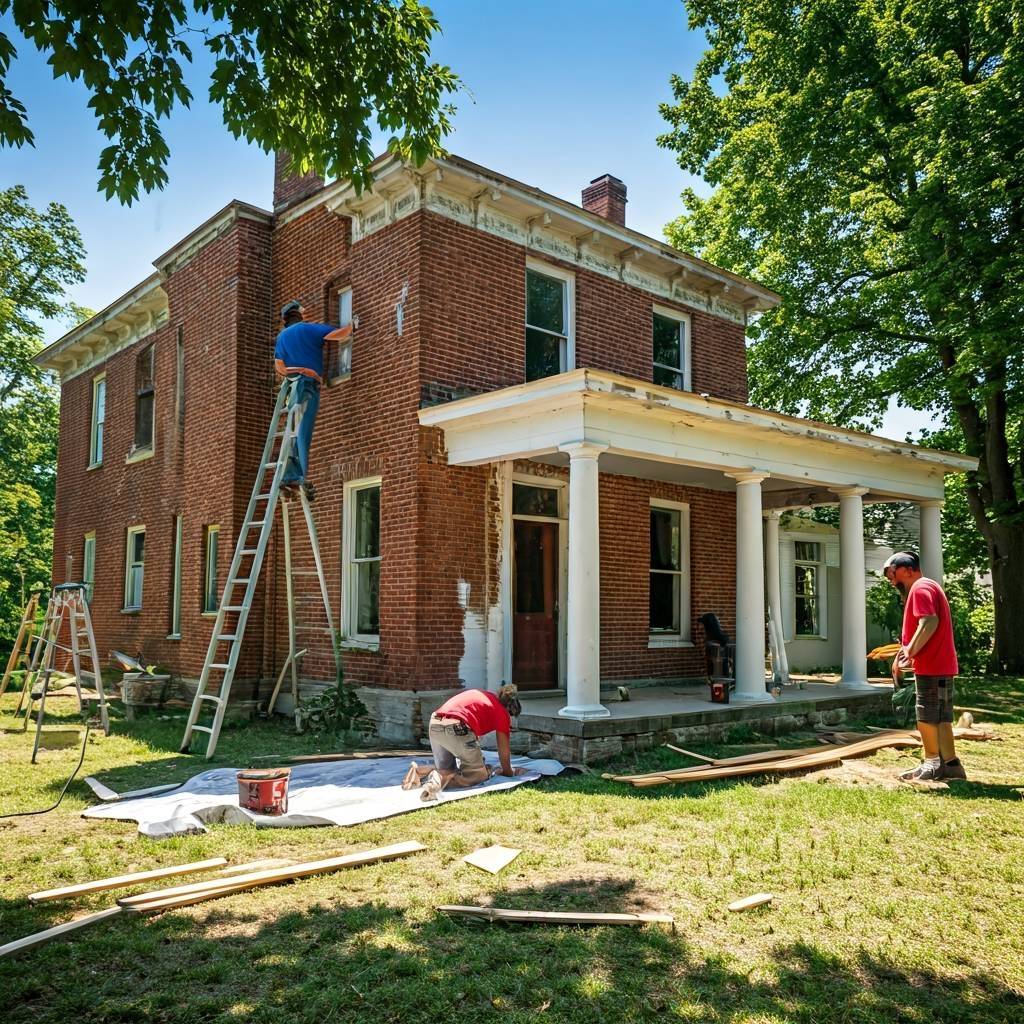
House flipping sounds exciting, doesn’t it? You buy a house, fix it up, and sell it for more money. But is it really that simple? Many people dream about flipping houses after watching TV shows. They see big profits and happy endings. But the real world of house flipping is much harder than it looks on TV. This guide will help you understand what house flipping really means. You’ll learn if it’s the right choice for you.
What Is House Flipping?
House flipping means buying a home to sell it fast. You don’t plan to live there. Instead, you buy it, fix it up, and sell it quickly. The goal is to make money from the sale. Most flippers try to sell within six months to a year.
How House Flipping Works
First, you find a house that costs less than others nearby. Usually, these homes need repairs. Then you buy the house with cash or a loan. Next, you fix the problems and make it look nice. Finally, you sell it for more than you spent.
The Basic Math
Let’s say you buy a house for $100,000. You spend $30,000 on repairs. You also pay $10,000 in other costs. That’s $140,000 total. You need to sell it for more than $140,000 to make money. If you sell it for $180,000, you make $40,000.
The Good Things About House Flipping
You Can Make Money Fast
Unlike renting houses out, house flipping can pay you quickly. You might make thousands of dollars in just a few months. Some flippers make $20,000 or more on one house.
You’re Your Own Boss
When you flip houses, you make the choices. You pick which houses to buy. You decide what to fix. You choose when to sell. Nobody tells you what to do.
You Learn Useful Skills
House flipping teaches you about homes. You learn about repairs and construction. You understand what makes a house valuable. These skills help you in many ways.
The Hard Parts of House Flipping
House Flipping Needs a Lot of Money
You need money to buy the house first. Most flippers need at least $30,000 to start. Some need much more. Banks don’t always give loans for flipping. This makes it hard for many people to begin.
Repairs Cost More Than You Think
Almost every flip costs more than planned. You might find hidden problems. The roof might be worse than you thought. Pipes might need replacing. These surprises eat up your profits.
House Flipping Takes a Lot of Time
Fixing a house is hard work. You might work 50 or 60 hours each week. You need to manage workers. You need to buy materials. You need to check on everything. It’s almost like having two full-time jobs.
The Market Might Change
What if house prices drop while you’re fixing up your flip? You could lose money. What if houses stop selling in your area? You might be stuck with a house you can’t sell.
Do You Have What It Takes for House Flipping?
Money Questions
Do you have enough savings? Can you handle losing money? What if something goes wrong? You need backup money for surprises. Most experts say you should have extra cash saved up.
Time Questions
Do you have time to manage a flip? Can you take time off your regular job? Can you work evenings and weekends? House flipping needs lots of your time.
Skill Questions
Are you good at fixing things? Do you know about construction? Can you spot a good deal? If not, can you learn quickly? You don’t need to know everything at first. But you need to learn fast.
Stress Questions
Can you handle stress? What if things go wrong? Can you make quick decisions? House flipping can be very stressful. Some people handle stress well. Others don’t.
House Flipping Mistakes to Avoid
Paying Too Much for the House
This is the biggest mistake flippers make. If you pay too much at the start, you can’t make money. Always know what fixed-up houses sell for nearby. Then work backward to figure out what you can pay.
Doing Too Many Fancy Upgrades
Don’t put in a $10,000 fancy kitchen if other houses nearby don’t have them. Match what other nice houses in the area have. Don’t go overboard.
Forgetting About All the Costs
Many new flippers forget about some costs. They remember the purchase price and repairs. But they forget about:
- Property taxes while you own it
- Insurance
- Utilities
- Loan interest
- Real estate agent fees
- Closing costs
These can add up to thousands of dollars.
Not Having a Good Team
You can’t do everything yourself. You need good contractors. You need a real estate agent who knows investors. You might need a lawyer. Having the right team makes flipping easier.
Steps to Start House Flipping
Step 1: Learn Everything You Can
Read books about house flipping. Watch videos online. Talk to people who flip houses. Go to real estate meetings in your area. Learn before you spend any money.
Step 2: Save Your Money
Start saving as much as you can. You’ll need money for the down payment. You’ll need money for repairs. You’ll need backup money for surprises.
Step 3: Build Your Team
Find a real estate agent who works with investors. Find a contractor you can trust. Find a home inspector. These people will help you succeed.
Step 4: Start Looking at Houses
Look at lots of houses before you buy. Learn what repairs cost. See what houses are really worth. Take your time. Don’t rush into buying.
Step 5: Make Your First Offer
When you find a good deal, make an offer. Offer less than the asking price. Expect the seller to say no at first. Keep trying. Be patient.
House Flipping vs. Other Ways to Make Money in Real Estate
Renting Houses Out
Renting makes money slowly over many years. House flipping makes money fast. Renting is usually less risky. But it means being a landlord. You have to deal with tenants and midnight phone calls.
Wholesaling
Wholesaling means finding deals and selling them to other investors. You don’t fix anything. You make less money per deal. But you need much less cash to start.
Living in the House While Fixing It
Some people buy a fixer-upper to live in. They fix it while living there. Then they sell it and buy another. This is slower than house flipping. But it’s less risky.
Is House Flipping Right for You?
Only you can answer this question. Think about everything you’ve learned here.
House flipping works well if:
- You have money saved up
- You have time to work on projects
- You can handle stress
- You’re willing to learn
- You don’t need the money right away
House flipping might not work if:
- You don’t have much savings
- You can’t handle losing money
- You’re very busy with other things
- You get stressed easily
- You need steady income
Final Thoughts
House flipping can be a great way to make money. But it’s not easy. It’s not like TV shows make it look. You need money, time, and skills. You need to handle stress. You need to be ready for problems.
Start small if you decide to try it. Learn from others who have done it. Build a good team around you. Be patient and careful.
Many people make good money from house flipping. But many others lose money. The difference is usually knowledge and preparation.
Take your time deciding if this is right for you. There’s no rush. Learn everything you can first. Then make your choice.
Good luck with whatever you decide!
Looking for more home buying tips? Check out our “First-Time Homebuyer’s Guide” or read about “First-Time Homebuyer’s Guide: From Dream to Doorstep” on our blog
Browse our listings now: www.buyclarksvillehomes.com
Call/Text: (931) 320-6987
Email: joey@williamsonhg.org
Website: buyclarksvillehomes.com
Your dream home is waiting! Let’s find it together!
Each Keller Williams office is independently owned and operated.