
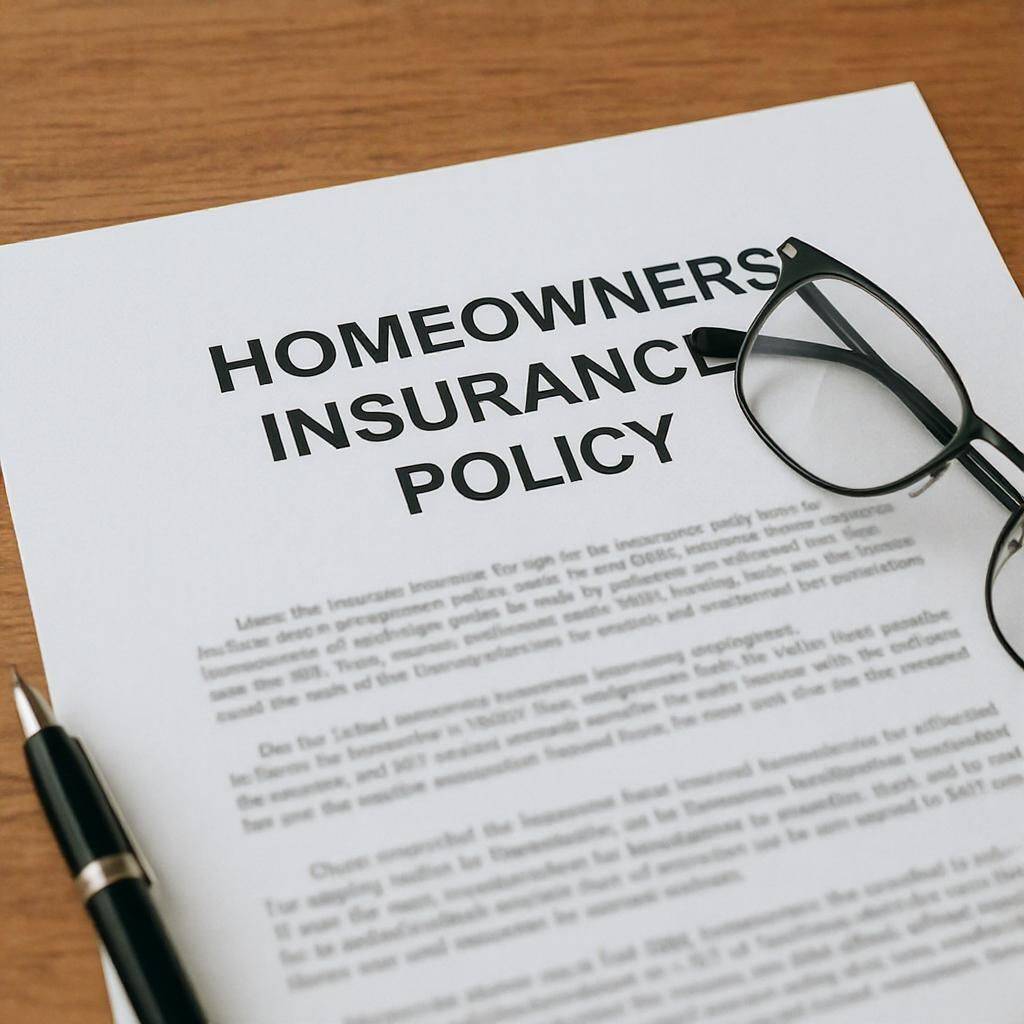
Buying a home is exciting. But you need homeowners insurance to protect it. Sadly, many new homeowners get confused about insurance. So this guide makes homeowners insurance easy to understand.
What Is Homeowners Insurance?
First, homeowners insurance protects your biggest buy. It covers your house and stuff if bad things happen. Think of it like a safety net for your home.
Also, your bank needs homeowners insurance. But even without a loan, you still need it. One bad event could wipe out years of savings.
Why Homeowners Insurance Matters in Tennessee
Sadly, Tennessee weather can be hard on homes. We get storms, hail, and floods. Luckily, homeowners insurance helps you fix things after disasters.
Without coverage, you pay for everything yourself. A house fire could cost $200,000 to fix. Most families can’t pay that much.
Types of Homeowners Insurance Coverage
House Coverage in Your Homeowners Insurance Policy
First, this covers your house structure. It pays to rebuild walls, roof, and base. So make sure you have enough to rebuild completely.
But don’t mix this up with your home’s sale value. Rebuilding costs are often higher than sale prices.
Personal Property Protection in Your Homeowners Insurance Policy
Also, the insurance you buy for your home covers your stuff too. Furniture, clothes, and electronics are protected. Plus, this includes items stolen from your car.
Most policies cover 50-70% of your house amount. A $200,000 house gets $100,000-$140,000 for belongings.
Liability Coverage
Also, this protects you if someone gets hurt on your property. Your homeowners insurance pays medical bills and legal costs. Plus, it covers damage you cause to others.
Most policies include $100,000-$300,000 liability coverage. So think about higher limits if you have assets to protect.
Extra Living Costs
Plus, if your home becomes unlivable, this helps. Your homeowners insurance pays for hotels and meals. Also, it covers the extra costs while repairs happen.
This coverage usually lasts 12-24 months. So make sure it’s enough for major rebuilding projects.
Common Homeowners Insurance Exclusions
Flood Damage
Sadly, standard homeowners insurance doesn’t cover floods. You need separate flood insurance for that. Also, many Tennessee areas need flood coverage.
Even small floods cause thousands in damage. So don’t think you’re safe from flooding.
Earthquake Damage
Tennessee sits on earthquake fault lines. But homeowners insurance doesn’t cover earthquake damage. You need a separate earthquake policy.
The New Madrid fault could cause major damage. So think about earthquake coverage if you’re worried.
Care Issues
Sadly, your homeowners insurance won’t pay for normal wear and tear. Leaky roofs from age aren’t covered. Old broken appliances or pest damage aren’t covered either.
So keep up with home care. Insurance covers sudden disasters, not neglect.
How Much Homeowners Insurance Do You Need?
Figure Out Replacement Cost
First, find out how much rebuilding would cost today. This might be more than you paid for your house. Building costs keep going up.
So get quotes from local builders. They know current material and labor costs.
Think About Your Belongings
Next, walk through your home and guess values. Electronics, jewelry, and furniture add up fast. Also, take photos for your records.
But high-value items might need extra coverage. Standard policies limit jewelry and art coverage.
Think About Liability Risks
Do you have a pool or trampoline? These make liability risks higher. So think about higher liability limits for extra protection.
Also, if you have big assets, think about umbrella insurance too. It adds extra liability protection.
Things That Change Homeowners Insurance Costs
Your Home’s Age and Shape
First, newer homes cost less to insure. They have updated electrical and plumbing systems. But older homes have higher risks and costs.
Luckily, regular care can lower your payments. So keep your roof, heating, and plumbing in good shape.
Location Matters
Sadly, some areas cost more to insure. High-crime areas have higher rates. Areas with natural disasters cost more too.
You can’t change your location. But you can shop around for better rates.
Your Credit Score
Also, insurance companies check your credit score. Luckily, better credit often means lower payments. So work on making your credit better for savings.
Pay bills on time and keep credit card balances low. Good credit saves money on insurance.
Deductible Amount
Plus, higher deductibles mean lower payments. But you pay more out of pocket for claims. So pick a deductible you can afford.
Common deductibles range from $500 to $2,500. So pick what works for your budget.
Ways to Save on Homeowners Insurance
Bundle Your Policies
First, many companies offer discounts for multiple policies. Put your homeowners insurance with auto insurance. You could save 10-25% on both.
Put in Safety Features
Also, smoke detectors, security systems, and storm shutters help. These reduce risks and lower payments. Plus, some discounts are big.
Keep Good Credit
Credit affects your rates. So pay bills on time and watch your credit report. Good credit saves money long-term.
Shop Around Often
Plus, insurance rates change over time. So shop for new quotes every few years. You might find better deals elsewhere.
But don’t just look at price. Think about coverage quality and customer service too.
Understanding Homeowners Insurance Claims
When to File a Claim
First, file claims for major damage only. Small repairs might cost less than your deductible. Sadly, too many claims can raise your rates.
So document everything with photos and receipts. This helps your claim process go smoothly.
The Claims Process
First, call your insurance company right away after damage. Next, they’ll send someone to check the damage. Also, keep receipts for quick repairs.
Be honest about what happened. Insurance fraud is a serious crime. So work with your adjuster to solve issues.
What to Expect
Sadly, claims can take weeks or months to solve. Plus, major disasters slow down the process. So be patient but stay involved.
Also, keep detailed records of all talks. Follow up often on your claim’s progress.
Special Things for Tennessee Homeowners
Tornado Coverage in Your Homeowners Insurance
Sadly, Tennessee gets many tornadoes each year. Luckily, standard insurance covers tornado damage. But you might need higher coverage limits.
So think about impact-resistant roofing and windows. These can lower your payments and protect your home.
Hail Damage Protection
Hail storms are common in Tennessee. Sadly, they can destroy roofs and siding quickly. So make sure your homeowners insurance covers full replacement costs.
However, some policies only pay actual cash value. This means wear reduces your payout. Replacement cost coverage is better.
Wildfire Things
Also, parts of Tennessee face wildfire risks. Luckily, your homeowners insurance should cover fire damage. But prevention is still important.
So clear brush around your home. Also, use fire-resistant landscaping materials. These steps protect your family and property.
Picking the Right Homeowners Insurance Company
Research Company Ratings
First, check financial strength ratings from A.M. Best or Moody’s. You want a company that can pay claims. So strong ratings show financial stability.
Read Customer Reviews
Also, look up customer satisfaction scores online. J.D. Power rates insurance companies each year. Happy customers usually mean good service.
Think About Local Agents
Plus, local agents understand Tennessee risks better. They can suggest good coverage levels. Also, personal service matters when filing claims.
Compare Coverage Options
Don’t just compare prices. Look at coverage limits and exclusions too. Cheaper isn’t always better for insurance.
Find Real Estate Professionals Who Understand Homeowners Insurance
Your Agent Can Help
First, real estate agents know local insurance needs. Also, they can suggest good insurance agents. So use their experience to your advantage.
Timing Your Coverage
Plus, you need homeowners insurance before closing. So shop for quotes during your home search. This prevents last-minute rushes.
Understanding Lender Needs
Also, your mortgage company sets minimum coverage needs. But these minimums might not be enough. So think about higher limits for better protection.
Final Thoughts on Homeowners Insurance
Buying insurance for your home protects your most valuable asset. But don’t treat it as just another bill. Understand your coverage and review it often.
Also, work with professionals who understand Tennessee risks. In the end, good coverage gives you peace of mind. Your family deserves that protection.
Finally, remember to update your policy when you renovate. New additions need coverage too. So stay in touch with your insurance agent.
Ready to buy a home in Clarksville? Luckily, we can help you understand insurance needs. Our team knows local risks and needs.
Read our other articles:
Finding Your Dream Home: Balancing Wishes with Reality
First-Time Homebuyer’s Guide: From Dream to Doorstep
Ready to Buy or Sell? We’re Here to Help!
Understanding the importance of purchasing insurance for your home is just the beginning. Our experienced team helps buyers and sellers navigate every aspect of the real estate process.
Browse our listings: www.buyclarksvillehomes.com
Phone: (931) 320-6987
Email: joey@williamsonhg.org
Website: buyclarksvillehomes.com
Each Keller Williams office is independently owned and operated.